
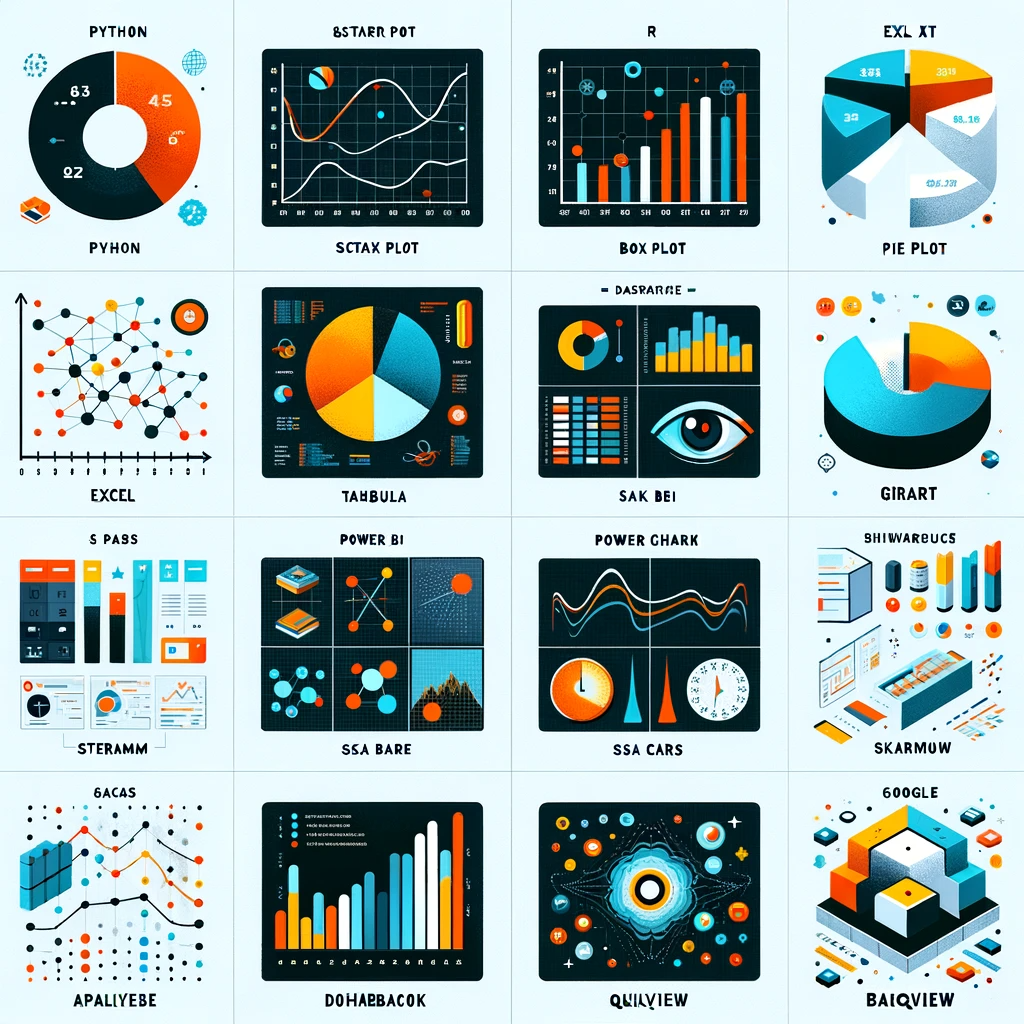

Certainly, here are 10 pieces of advice for data analysts in 2024 to help them stay consistent and successful in their work:
Stay Updated:
Continuously update your skills and knowledge in data analysis. Follow industry trends, read blogs, and attend relevant conferences to stay current with the latest tools and techniques. In 2024, the world of data is rapidly evolving. As a data analyst, staying updated isn’t just beneficial; it’s essential. Picture Sarah, a seasoned analyst, who dedicates time each week to explore emerging trends. She dives into the latest in big data technologies, and AI advancements, and attends virtual webinars. Recently, by implementing a newly released visualization tool she discovered in an online forum, Sarah not only enhanced her project’s clarity but also impressed her team with cutting-edge insights. This commitment to staying informed is what keeps her skills sharp and her analyses impactful in an ever-changing digital landscape.
Data Quality Matters:
Always prioritize data quality. Ensure your data is clean, accurate, and reliable before starting any analysis. Garbage in, garbage out! In the bustling city of DataVille, every detail counts. Tom, a meticulous data analyst, knows this all too well. He likens his datasets to a chef’s ingredients – only the freshest and finest will do. Before diving into his analytical cooking, Tom carefully sifts through each data point, removing inaccuracies and inconsistencies. His attention to detail ensures that his analytical dishes are always reliable and savory, earning him a reputation for precision in an industry where quality is king.
Document Everything:
Maintain thorough documentation of your analysis processes, assumptions, and data sources. This will help ensure consistency and facilitate collaboration with team members. Meet Ava, a data analyst who treasures her work’s history like a seasoned archivist. For every project, she meticulously documents her steps, from initial hypotheses to the final conclusions. This habit proves invaluable when she revisits a project six months later. With her detailed notes, revising the analysis becomes a breeze, saving time and ensuring consistency. Ava’s approach shows that a well-kept record is a treasure trove of clarity and efficiency in the world of data.
Use Version Control:
Employ version control systems like Git to track changes in your analysis code and data. This makes it easier to manage and reproduce your work. In the dynamic data analysis landscape, version control is like a lighthouse guiding analysts through stormy seas. Consider Alex, who adopted Git for his projects. When a critical error crept into his analysis, instead of panicking, Alex calmly navigated back through his version history. Quickly identifying the misstep, he restored the integrity of his work. This tool transformed Alex’s approach, making his workflow resilient and his confidence unshakable.
Automate Repetitive Tasks:
Write scripts and use automation tools to streamline repetitive data preprocessing and analysis tasks. This will save you time and reduce the risk of errors. Emily, a forward-thinking data analyst, once spent hours on repetitive data cleansing. One day, she decided to automate these mundane tasks. Writing scripts to handle the repetitive work, freed up valuable time. This newfound time allowed Emily to focus on deeper analysis and strategic insights. Her automation journey didn’t just streamline her workflow; it revolutionized it, turning hours into minutes and frustration into innovation.
Visualize Effectively:
Learn and use data visualization techniques to communicate your findings. Choose the right chart types and design principles to make your insights easily understandable. Visual storytelling is a superpower in the data world. Consider Leo, whose intricate data visualizations transformed complex datasets into clear, impactful stories. His secret? Choosing the right charts and layouts for his audience, ensuring his visuals were not only informative but also engaging. Leo’s visual narratives didn’t just depict data; they brought it to life, making complex insights accessible and captivating to all.
Embrace Cloud Services:
Leverage cloud computing platforms like AWS, Azure, or Google Cloud for scalable and cost-effective data storage and processing. These platforms offer a wide range of tools for data analysis.In the era of big data, cloud computing is like a magic carpet, offering a ride to new heights of efficiency and scalability. Sophia, an astute data analyst, leveraged cloud platforms for her large-scale data projects. With tools like AWS and Google Cloud, she could effortlessly scale resources up or down, optimizing costs and performance. Sophia’s cloud journey epitomized the smart, flexible approach needed in the modern data landscape.
Learn Machine Learning:
Familiarize yourself with machine learning concepts and algorithms. Understanding ML can enhance your analytical capabilities and open up new opportunities in data analysis.The world of machine learning is a labyrinth of potential. Jack, a curious data analyst, ventured into this maze, eager to harness its power. By understanding ML algorithms, he added a new layer of depth to his analyses, predicting trends and uncovering hidden patterns. Jack’s foray into machine learning didn’t just expand his skillset; it transformed him into a data wizard, adept at turning information into foresight.
Collaborate Actively:
Work closely with domain experts and colleagues. Effective collaboration can provide valuable insights and ensure your analyses align with the organization’s goals.In the world of data analysis, collaboration is the bridge connecting diverse expertise. Lisa, a data analyst, regularly teamed up with domain experts, merging her analytical prowess with their specialized knowledge. This synergy not only enriched her analyses but also ensured they were aligned with the organization’s goals. Lisa’s collaborative spirit exemplified the power of unity in unlocking deeper, more meaningful insights.
Ethics and Privacy:
Stay vigilant about data ethics and privacy regulations. Ensure that your analyses comply with legal and ethical standards, and protect sensitive information.In a landscape where data is gold, ethics and privacy are the armored guardians. Noah, a principled data analyst, always kept these guardians by his side. He rigorously ensured compliance with data privacy laws and upheld the highest ethical standards. Noah’s commitment to protecting sensitive information and maintaining trust was not just a professional duty but a moral compass guiding every step of his analytical journey.
Follow us on X for the Latest updates
- https://datatipss.com/mastering-financial-modeling-in-excel-top-10-tricks-2024/
- https://datatipss.com/power-of-consistency-how-data-analysis-becomes-easy/
Similar Posts


![[url=https://braderpartsforum.com/forums/users/felipestephenson/][url=https://braderpartsforum.com/forums/users/felipestephenson/]bbqmoment Avatar](https://datatipss.com/wp-content/litespeed/avatar/9d85ba2ef112f4775a394c3610ef014d.jpg?ver=1774544886)


Leave a Reply